 Tationil Glutathione


Glutathione is a physiologic tripeptide composed of glutamic acid, cysteine and glycine. Glutathione is the most powerful naturally occurring antioxidant in all human cells and is often referred to as the body’s “Master Oxidant”. Glutathione is involved in several biological and exerts an important role in detoxification reactions, protecting cells from the noxious effect of xenobiotics, of environmental and intracellular oxidants and from radiations.
Glutathione is a powerful antioxidant needed for cellular production of energy and helps to detoxify the body and neutralize free radicals while supporting the immune system. It is known for its role in providing antioxidant protection for the body tissues, including the arteries, brain, heart, liver, lungs and skin.
All cells in the human body are capable of synthesizing glutathione. But the highest concentration of glutathione is found in the liver, making it critically important in the detoxification and elimination of free radicals. Free radicals are highly reactive compounds created in the body during normal metabolic functions; they can also enter the body through the environment. Accumulation of these compounds can result in oxidative stress, which occurs when the generation of free radicals in the body exceeds the body stability to neutralize and eliminate them.
Glutathione boosts the utilization and recycling of other antioxidant, namely vitamin C and E, as well as alpha lipoic acidand CoQ10. The ability to produce and maintain a high level of glutathione is critical to recovery from chronic illness, preventing disease and maintaining optimal health and performance.
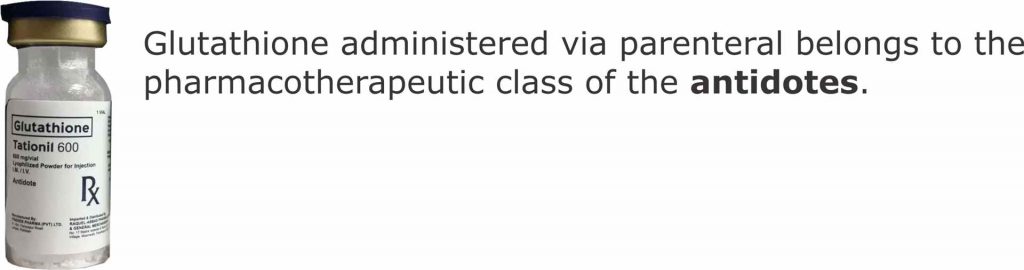
Glutathione administered via parenteral belongs to the pharmacotherapeutic class of the antidotes.
What is an Antioxidant?
Antioxidant are the substance that prevent/inhibit oxidation in the body. Through the process of oxidation, free radicals can also be naturally produced by our body which has to do with our metabolism, as well as when our immune system needs to do so to help neutralized viruses and infections, thereby leading to chain reactions that may damage the cells of organism, this can actually add up to result in physical changes such as wrinkles and age spots. Oxidation is a chemical reaction that can produce free radicals, thereby leading to chain reactions that may damage the cells of organism, this can actually add up to result in physical changes such as wrinkles and age spots.
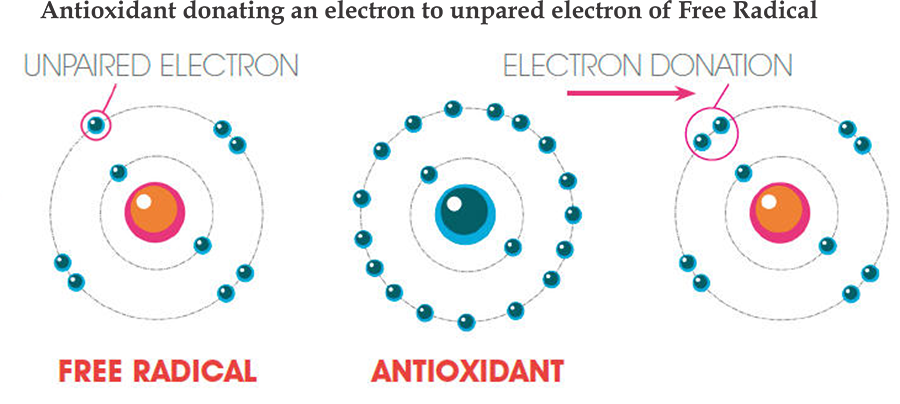
Free radicals react with biological molecules and destroy the structure of cells, which eventually cause free radical-induced disease such as cancer, renal failure, aging, etc. But what’s more worrying is that these “free radicals” can eventually completely penetrate the cell walls and make their way into the central nucleus. Here, they might come into contact with the DNA and cause damage to the very code that underlies our cells. This can lead to unwanted mutations occurring, which are then copied and repeated as the cell splits through mitosis. As this area grows, this is what causes a cancerous tumor and this is why it is so important that we use antioxidants.
Antioxidants work by neutralizing the unwanted free radicals. This may mean that they render them inert on contact, or it might mean that they are less likely to be produced in the first place. On top of this, antioxidants can provide a range of other useful benefits, such as combating inflammation and even improving athletic performance!



Tel: (02) 8835 7547
(02) 8846 4544
Smart: +639088829628
Globe: +639171936022