 Tationil Glutathione



Used as adjunct treatment to minimize the occurence of toxicity associated with Cisplation chemotherapy
- Introduction
- Formulation
Introduction of Reduced Glutathione
Reduced glutathione is a physiologic tripeptide molecule composed of three amino acids: Glutamic acid (glutamate), Cysteine and Glycine.
Glutathione is involved in several biological and exerts an important role in detoxification reactions, protecting cells from the noxious effect of xenobiotics, of environmental and intracellular oxidants and from radiations.

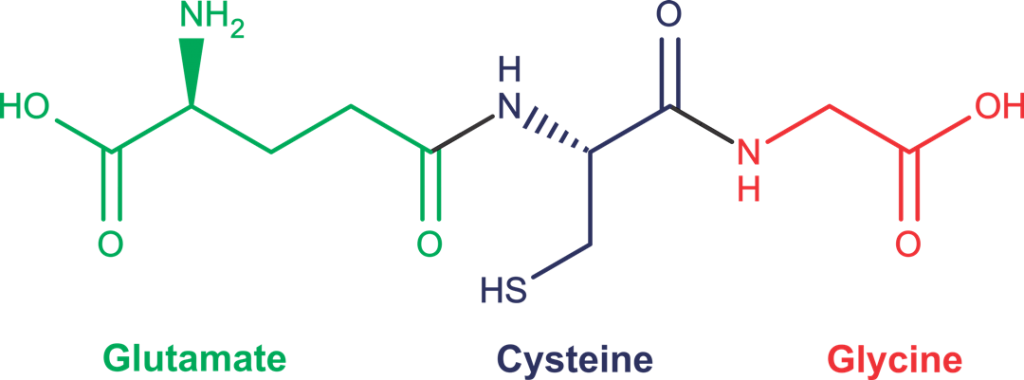
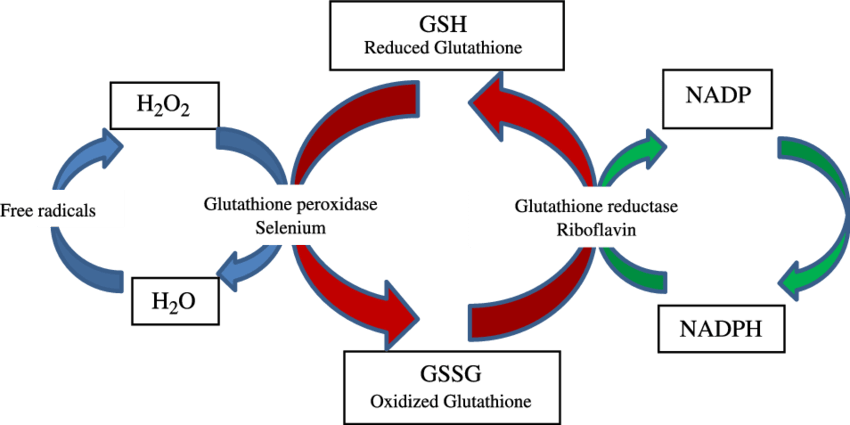
There are two different forms of glutathione: reduced glutathione (GSH, or L-glutathione), which is the active form, and oxidized glutathione (GSSG), the inactive form. As GSH patrols the cellular environment and puts out oxidative “free radical” fires, it becomes oxidized itself and inactive, thus turning into GSSG.
Fortunately, inactive GSSG can be recycled back into the active GSH form, thanks to an enzyme called glutathione reductase. When this enzyme is overwhelmed and too much oxidized GSSG accumulates (as compared to the active GSH), your cells become susceptible to damage.
Glutathione exists in mammals, plants and microorganism
in Reduced and Oxidized Glutathione forms.
As a matter of fact, Glutathione (GSH) and its precursor, cysteine (Cys), are the two most abundant low-molecular
weight thiols in living cells, and their intracellular abnormal levels are associated with diseases.
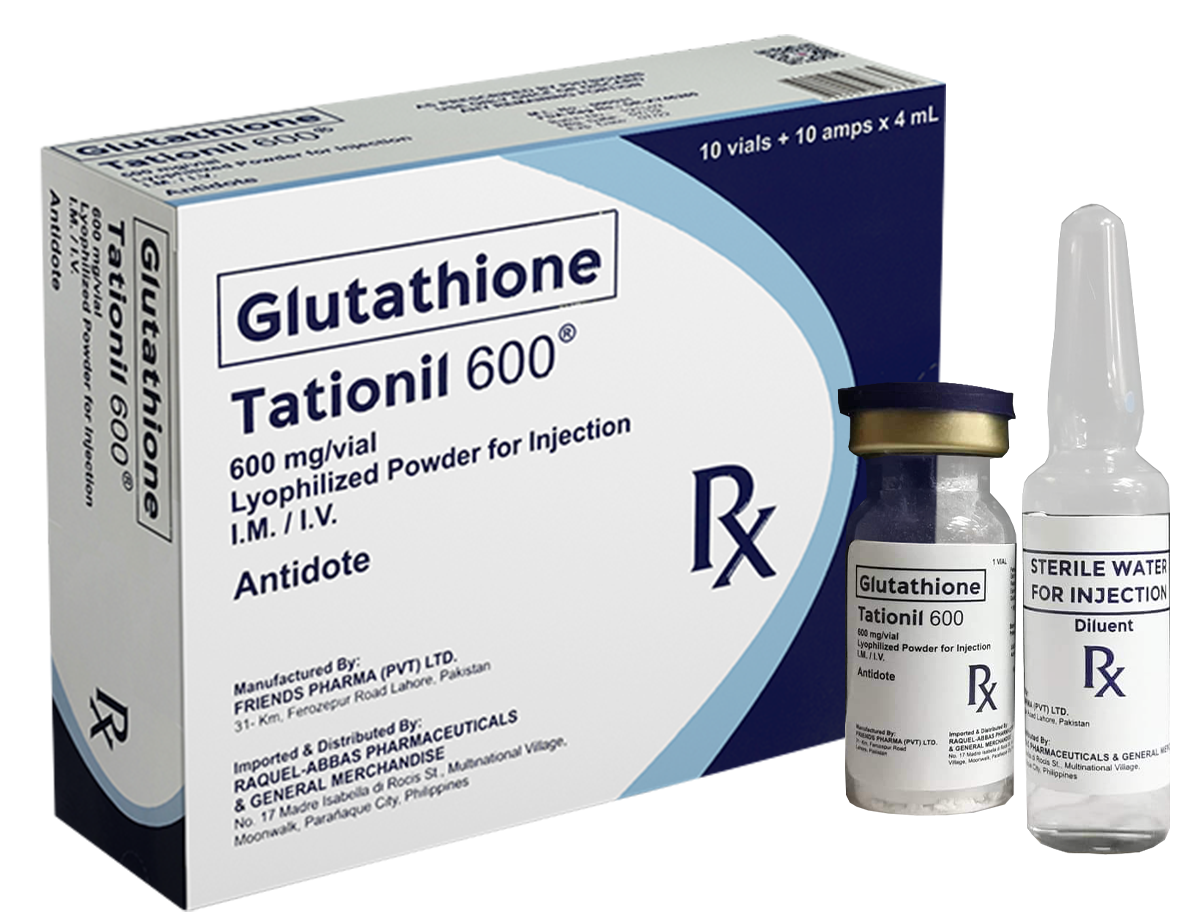

Formula:
Each vial contains:
Glutathione (as Reduced L-Glutathione) ……………………. 600 mg
Dosage & Administration:
The daily dose of Glutathione usually recommended for patients undergoing chemotherapy with
cisplatin and related products is 1.5 g/m2 (corresponding to 2500 mg) administered by slow intravenous infusion. The dosage however is dependent on age, weight and clinical conditions of the patient and should also be related to the dose and the administered schedule of the chemotherapeutic agent. In case of simultaneous administration of glutathione and chemotherapeutic agent, the intravenous infusion of glutathione should be performed 15-30 minutes before the start of chemotherapy. In case of long term treatment, the lower dosages of the product can be employed(300 mg or 600 mg) to be administered by intramuscular route or slowly by the intravenous routeor as prescribed by the physicians.
Direction for Reconstitution: Reconstitute the solution in the powder vial by drawing the sterile water of the ampoule by means of a syringe with an appropriate needle. Remove the aluminum seal of the vial and wipe closures with disinfectant, then insert the needle of the syringe in the vial through the center of the rubber closure and direct the flow of water toward the glass wall of the vial. Gently shake to ensure the complete solubilization, then administer the solution thus obtained by intramuscular or slow intravenous route. The reconstituted solution contains 150 mg/mL of glutathione. The reconstituted solution is stable for 8 hours at temperatures not exceeding 25°C. The reconstituted solution should be clear and devoid of visible particles. It should be used only for one uninterrupted administration and the incidental residue should not be employed.
Tationil 600 is available in Lyophilized Powder for Injection for Intramuscular or Intravenous Injection.
Formula:
Each vial contains:
Glutathione (as Reduced L-Glutathione) ……………………. 600 mg
Indication:
As adjunct treatment to minimize the occurrence of toxicity associated with cisplatin chemotherapy.
Pharmacotherapeutic Class:
Glutathione is a physiologic tripeptide which involved in several biological processes and exerts an important role in detoxification reactions, protecting cells from the noxious effect of xenobiotics, of environmental and intracellular oxidants and from radiations. Glutathione administered via parenteral belongs to the pharmacotherapeutic class of the antidotes.
Pharmacokinetics
After intravenous infusion of 2 g/m2 of glutathione to healthy volunteers, plasma concentration of total glutathione increased from 17.5 ± 13.4 μmol/L (mean ± SD) to 823 ± 326 μmol/L. The volume of distribution of exogenous glutathione has been calculated to be 176 ± 107 mL/Kg and the plasma half-life was 14.1 ± 9.2 minutes. Cystein concentration in plasma increased from 8.9 ± 3.5 μmol/ Lto 114 ± 45 μmol after the infusion. In spite of the cysteine increase, total plasma concentration of total cyctein, cysteine and mixed disulphides decreased, indicating an increased transport of cysteine inside the cells. Urinary excretion of glutathione and cyst(e)ine increased by 300% and 10%respectively, in the minutes after infusion. These data show that the intravenous administration of glutathione markedly increases the concentration sulphydryl-containing compounds in urinary tract and therefore also the availability of cysteine at cellular level. The high intracellular concentration of cysteine may be explain the protective effect against xenobiotics since this causes directly or indirectly, an increased biosynthesis of glutathione.
OVERDOSAGE: No cases of overdose have been reported in the literature. If needed, symptomatic treatments may be employed.
CONTRAINDICATIONS: Hypersensitivity to the active ingredient.
WARNINGS: The available data shows that glutathione being a substance physiologically present in cells, does not cause unwanted effects in women during pregnancy or breast feeding. Preclinical studies do not indicate or indirect harmful effect with respect to pregnancy, embryonal/fetal development, parturition or post natal development. Efficacy and safety have not been assessed in children.
Warning Statement: The use of glutathione I.V. as a skin whitener is not approved by FDA Philippines. The public is strongly warned to refrain from using glutathione for this purpose in light of potential harm associated with such use.



Tel: (02) 8835 7547
(02) 8846 4544
Smart: +639088829628
Globe: +639171936022